Archives
- 2026-06
- 2026-05
- 2026-04
- 2026-03
- 2026-02
- 2026-01
- 2025-12
- 2025-11
- 2025-10
- 2023-07
- 2023-06
- 2023-05
- 2023-04
- 2023-03
- 2023-02
- 2023-01
- 2022-12
- 2022-11
- 2022-10
- 2022-09
- 2022-08
- 2022-07
- 2022-06
- 2022-05
- 2022-04
- 2022-03
- 2022-02
- 2022-01
- 2021-12
- 2021-11
- 2021-10
- 2021-09
- 2021-08
- 2021-07
- 2021-06
- 2021-05
- 2021-04
- 2021-03
- 2021-02
- 2021-01
- 2020-12
- 2020-11
- 2020-10
- 2020-09
- 2020-08
- 2020-07
- 2020-06
- 2020-05
- 2020-04
- 2020-03
- 2020-02
- 2020-01
- 2019-12
- 2019-11
- 2019-10
- 2019-09
- 2019-08
- 2019-07
- 2019-06
- 2019-05
- 2019-04
- 2018-07
-
CaCl was from the Radiochemical Centre Amersham UK
2021-10-06
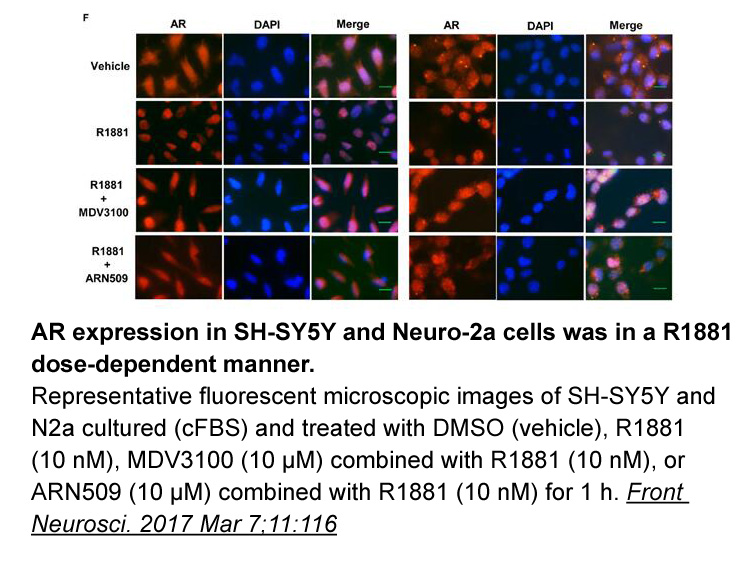
45CaCl2 was from the Radiochemical Centre (Amersham, UK), NaVO3 was from Reachim (Moscow, Russia). Tetrodotoxin was purchased from Calbiochem, DTNB from Merck, Darmstadt, Germany. Nifedipine was synthesized in the Institute of Drug Research, Modra, Slovakia and was kindly provided by Dr. Zdeno Mahrl
-
Introduction RNA splicing occurs in the nucleus when
2021-10-03
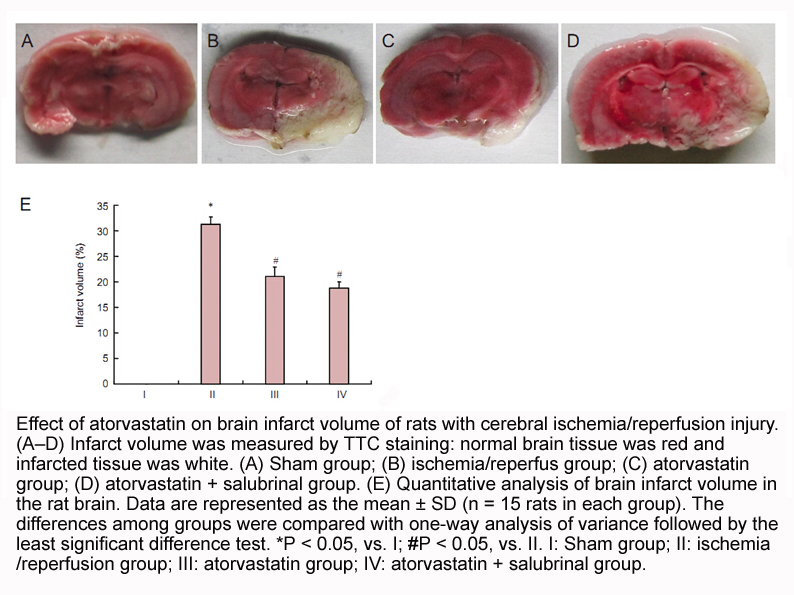
Introduction RNA splicing occurs in the nucleus when noncoding sequences (introns) are removed from the pre-mRNA transcript and coding sequences (exons) are joined to form a mature mRNA [1,2]. This reaction is catalyzed by a multiprotein complex called spliceosome. The spliceosome consists of five
-
br Conflict of interest br Author
2021-10-03
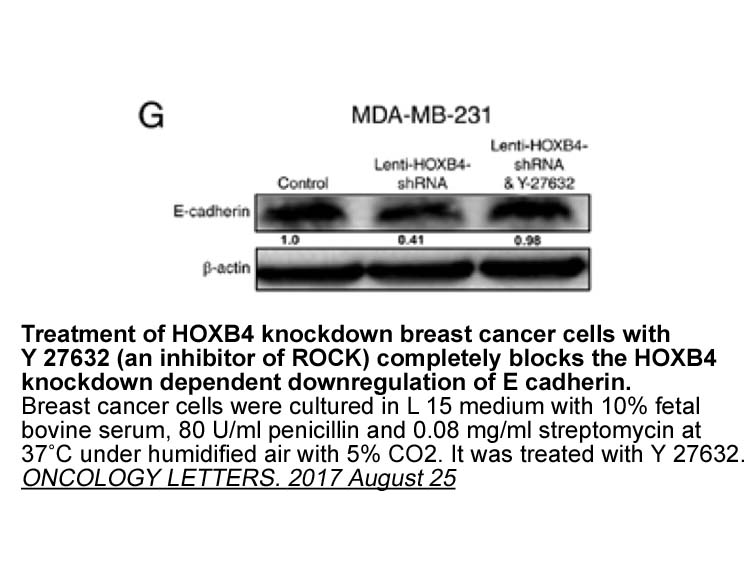
Conflict of interest Author contributions Introduction 2-Quinolones [quinoline-2(1H)-ones], while less prominent than the isomeric 4-quinolones, nevertheless enjoy significant attention as scaffolds in compounds exhibiting a variety of biological activities. These include: 4-aryl-6-chloroqu
-
DAMGO Here we dissect X chromosome dosage compensation DC in
2021-10-03
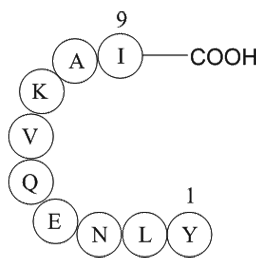
Here, we dissect X chromosome dosage compensation (DC) in C. elegans to determine the effect of chromatin modifications on higher-order chromosome structure during long-range gene regulation. DC is exemplary because it controls hundreds of genes simultaneously, it distinguishes X chromosomes from au
-
br Acknowledgments Authors are thankful to the participants
2021-10-03
Acknowledgments Authors are thankful to the participants of the study for their cooperation. Financial support from Higher Education Commission (HEC) of Pakistan is highly acknowledged. AZ is supported by indigenous PhD fellowship from HEC. Indigenous PhD Fellowship for 5k Scholars batch 2 PIN NO
-
Our synthetic approach to GPR
2021-10-02
Our synthetic approach to GPR55 antagonists was designed so that many different structures could be accessed to rapidly explore initial SAR, along with validating or modifying our current model (). The synthesis begins with the coupling of a carboxylic alcohol inhibitor australia to 4-piperidone by
-
gap 26 br Materials and methods br Results
2021-10-02
Materials and methods Results Discussion In this study, we demonstrated that zaprinast (a cGMP-PDE inhibitor) induced the intracellular calcium mobilization in the gap 26 coexpressing GPR35 and Gqi5, Gqo5, or Gα16. Induction of intracellular calcium mobilization by zaprinast in the GPR35-ex
-
In summary we have designed and optimized a
2021-10-02
In summary, we have designed and optimized a new series of 1,4-dioxycyclohexane GPR119 agonists. SAR studies led to the discovery of the preferred molecule that has potent and efficacious GPR119 activity across species. This lead compound exhibited an excellent ADME and safety profile, and demonstra
-
We also demonstrated that inhibition of NAAG hydrolysis to s
2021-10-02
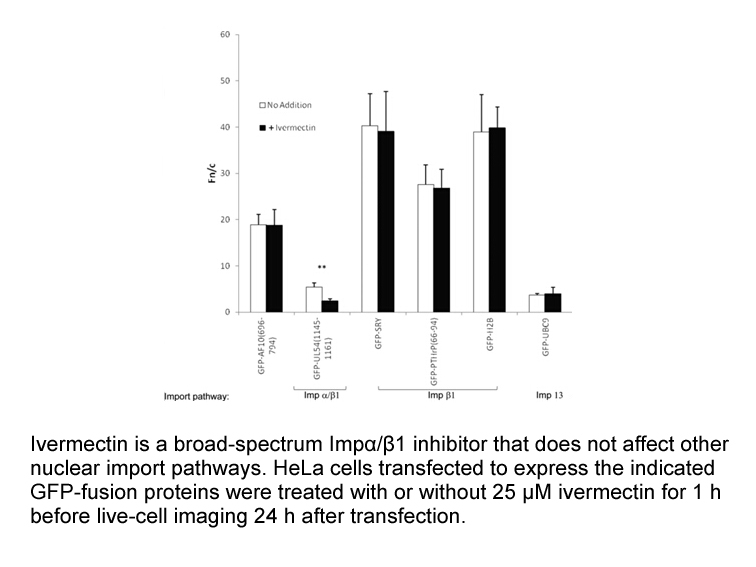
We also demonstrated that inhibition of NAAG hydrolysis to suppress glutamate production through a GCPII inhibitor is a viable target for cancer therapy. GCPII is also known as N-acetyl-L-aspartyl-L-glutamate peptidase I (NAALADase I) or NAAG peptidase (Pinto et al., 1996), and its increased express
-
The experiments indicate that a major
2021-10-02
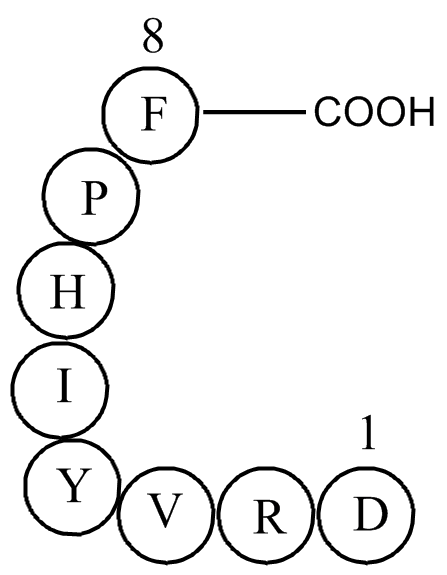
The experiments indicate that a major component of the vasodilatation is due to antagonism of α 1-adrenoceptors. Evidence for α1-adrenoceptor antagonism is that vasodilatation was observed in Tetrazole preconstricted with α1-adrenoceptor agonists, phenylephrine or methoxamine, but not in vessels pr
-
During the course of the development
2021-10-02
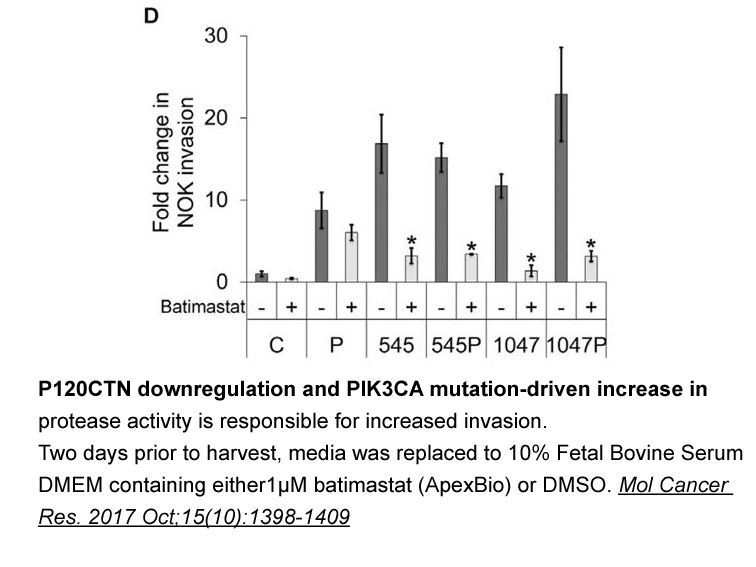
During the course of the development of aminothiazole-derived small molecule GSMs, SGSM-36 (Fig. 1A) was discovered and exhibited good activity for suppressing the production of Aβ42 (Aβ42 IC50=63nM) (Rynearson et al., 2016; Wagner et al., 2014). In addition, SGSM-36 exhibited improved physicochemic
-
Consideration must be given to both the tissues themselves a
2021-10-01
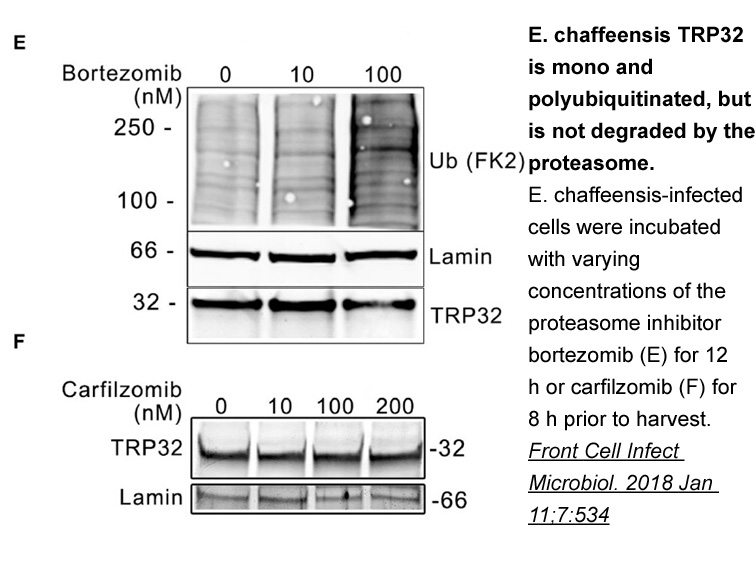
Consideration must be given to both the tissues themselves and to infiltrating immune cells. As highlighted by Maxwell and Eckardt [88], clinical trials of compounds targeting these pathways will require large numbers of participants and prolonged follow-up to identify rare and late complications or
-
Results Among the HER mutations reported in this study the
2021-10-01
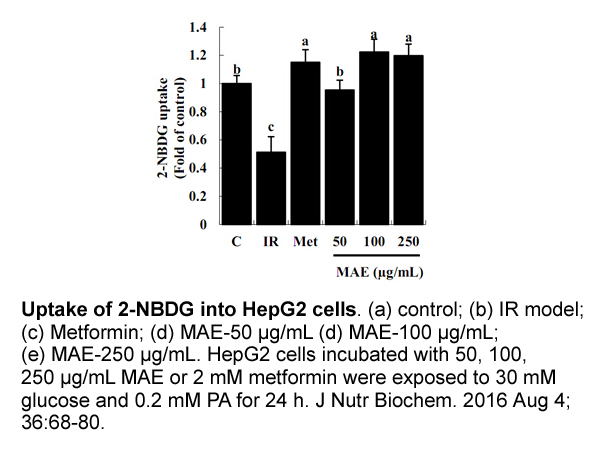
Among the HER2 mutations reported in this study, the JMD mutant R678Q is the third most recurrent HER2 mutation. Basic residues (such as arginine) play an important role in anchoring TMD helices of single transmembrane proteins to the bilayer (Gleason et al., 2013, Hristova and Wimley, 2011, Kim et
-
There are several limitations in our
2021-10-01
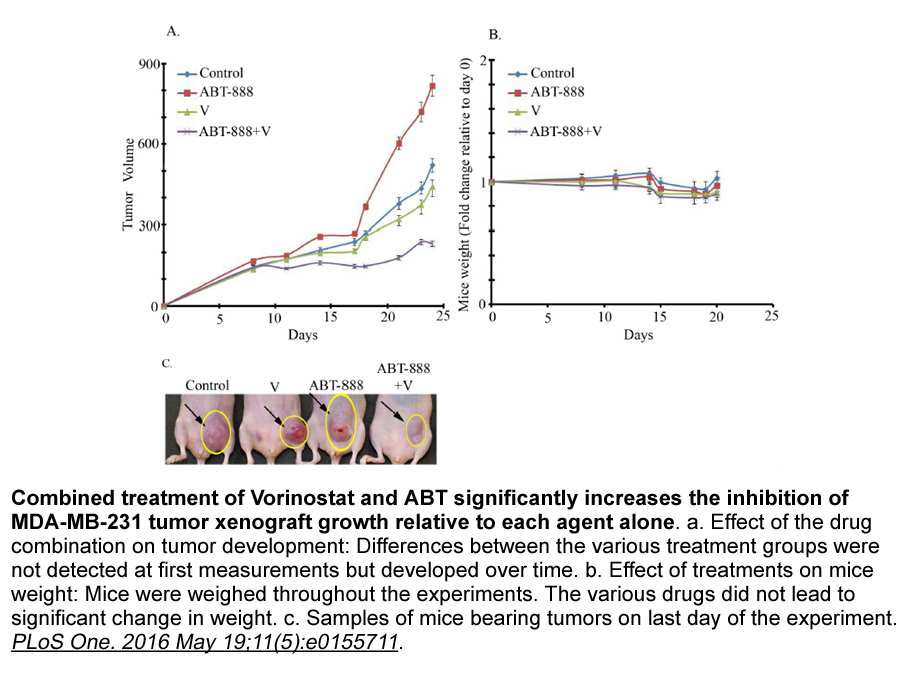
There are several limitations in our study. First, only the naturally occurring resistance-associated mutations in patients coinfected with HIV/HCV gap 27 1b were analyzed. The result was only applicable to HCV genotype 1b, but not the HCV genotype 1a patients. We did not analyze the effect of geno
-
Glutathione S transferases constitute a
2021-10-01

Glutathione-S-transferases constitute a family of enzymes involved in the detoxification of xenobiotics, signalling cascades and serving as ligandins or/and catalyzing the conjugation of various chemicals and drugs [53]. The present finding indicates significant increase in GST activity in the brain
11478 records 295/766 page Previous Next First page 上5页 291292293294295 下5页 Last page