Archives
- 2026-04
- 2026-03
- 2026-02
- 2026-01
- 2025-12
- 2025-11
- 2025-10
- 2023-07
- 2023-06
- 2023-05
- 2023-04
- 2023-03
- 2023-02
- 2023-01
- 2022-12
- 2022-11
- 2022-10
- 2022-09
- 2022-08
- 2022-07
- 2022-06
- 2022-05
- 2022-04
- 2022-03
- 2022-02
- 2022-01
- 2021-12
- 2021-11
- 2021-10
- 2021-09
- 2021-08
- 2021-07
- 2021-06
- 2021-05
- 2021-04
- 2021-03
- 2021-02
- 2021-01
- 2020-12
- 2020-11
- 2020-10
- 2020-09
- 2020-08
- 2020-07
- 2020-06
- 2020-05
- 2020-04
- 2020-03
- 2020-02
- 2020-01
- 2019-12
- 2019-11
- 2019-10
- 2019-09
- 2019-08
- 2019-07
- 2019-06
- 2019-05
- 2019-04
- 2018-07
-
Of the acidic hydroxyazoles involved hydroxypyrazole
2020-01-20
Of the acidic hydroxyazoles involved, hydroxypyrazole had the weakest acidic profile (pKa in the range of 6–7), although highly deprotonated at physiological pH. During hit optimization, the two pyrazole ring positions available for substitution provide an opportunity for a better exploration of the
-
The aniline R group was extensively explored and
2020-01-20
The aniline R2 group was extensively explored and a large variety of substitution was tolerated at several positions on the aryl ring (). Notably, substitution at the 3-position often gave increased potency. Increasing lipophilic bulk at this position gave increasing potency within an ether series (
-
Introduction Cysteinyl leukotrienes CysLTs LTC LTD and LTE a
2020-01-20
Introduction Cysteinyl leukotrienes (CysLTs), LTC4, LTD4 and LTE4, are 5-lipoxygenase pathway metabolites of arachidonic U 18666A and deeply involved in bronchial asthma via activation of CysLT1 receptors [1], [2]. Specific CysLT1 receptor antagonists, including pranlukast [3], [4] and montelukast
-
The changes in the chemokine receptors CCR and CXCR
2020-01-20

The changes in the chemokine receptors CCR-5 and CXCR-4 in women and men with PTSD are completely different. In the group of women with PTSD alone the level of this Conessine synthesis increased six times, whereas, in women with APD and PTSD, the level of the receptor CCR-5 was eight times higher t
-
br Author contribution br Acknowledgements QNRF grant
2020-01-20
Author contribution Acknowledgements QNRF grant number NPRP6-065-3-012, Qatar National Research Fund, Doha Qatar for funding this work with grant number NPRP No.: NPRP6-065-3-012. Introduction Preeclampsia (PE) affects 3–5 % of pregnancies worldwide and is one of the leading causes of mate
-
In frame exon skipping of COL A has
2020-01-20
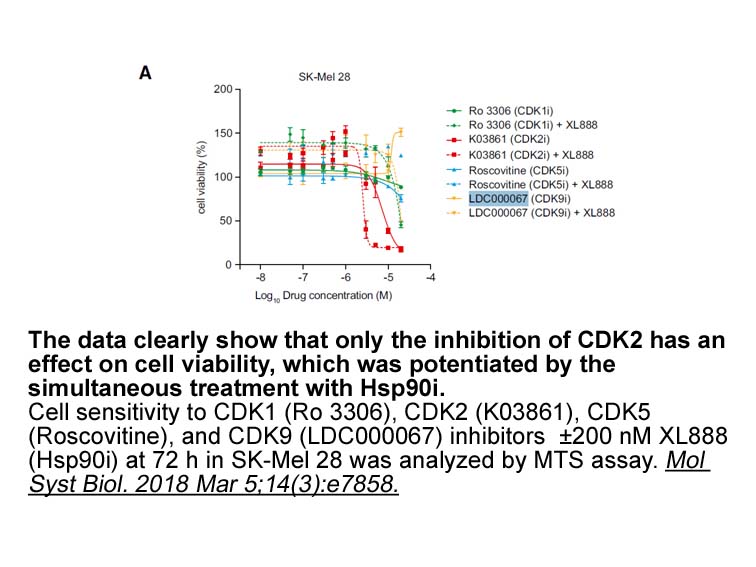
In frame exon 41 skipping of COL6A3 has been suspected to be responsible for isolated dystonia in several human kindreds without muscular defects [94]. In order to validate their hypothesis, the authors used zebrafish to selectively knock down several exons in col6a3 and found a negative impact on m
-
Limitations of the current study in
2020-01-20
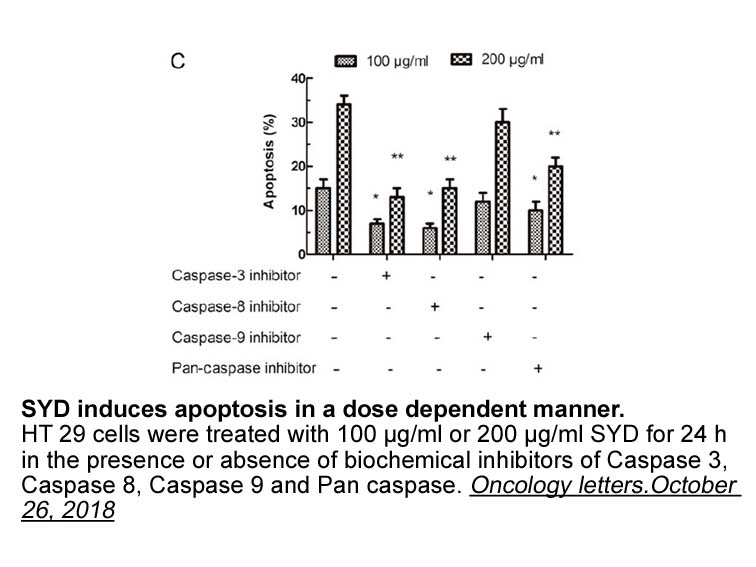
Limitations of the current study, in addition to the ones highlighted above, are its retrospective nature, the potential biased selection of patients requiring bronchoscopy for the etiological diagnosis of pneumonia, the lack of normalization of CMV DNA loads in BAL fluids to cellular DNA content (a
-
The two isoforms LDH A and
2020-01-19
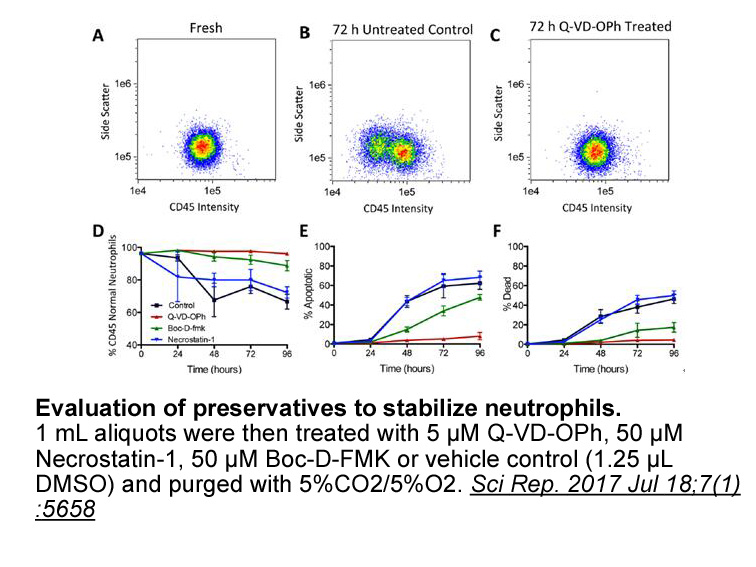
The two isoforms LDH-A and LDH-B catalyze the same reaction, conversion of pyruvate to lactate at the end of glycolysis. LDH-A is expressed in the liver. Humans with a hereditary deficiency of the A or B LDH isoforms are free of symptoms, except for muscle rigidity and myoglobinuria following strenu
-
To respond to the need for QNAT commercial
2020-01-19
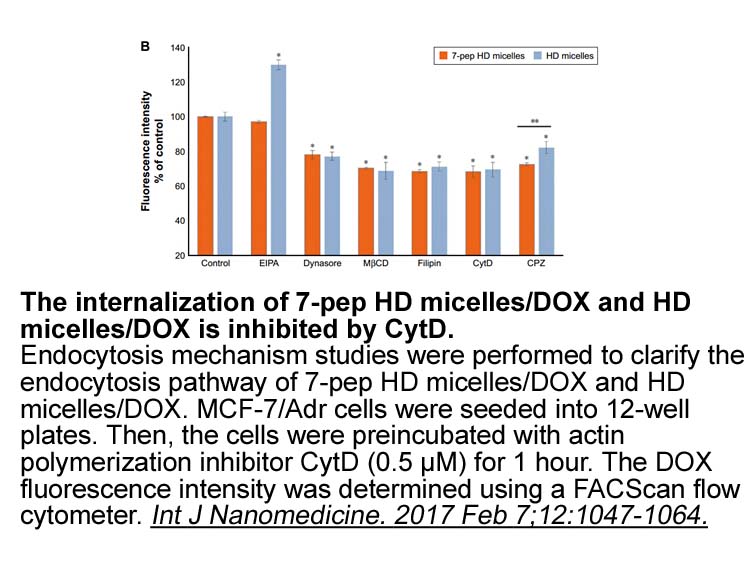
To respond to the need for QNAT, commercial assays have been developed on automated systems. The first reagents for CMV and EBV VLs in whole blood were Abbott RealTime kits on the m2000 SP/RT system (Abbott Molecular Inc, Des plaines, USA) (M2000) [4,5] and Artus QS-RGQ kits on the QIAsymphony RGQ s
-
Interestingly from our consensus SBVC protocol only few
2020-01-19
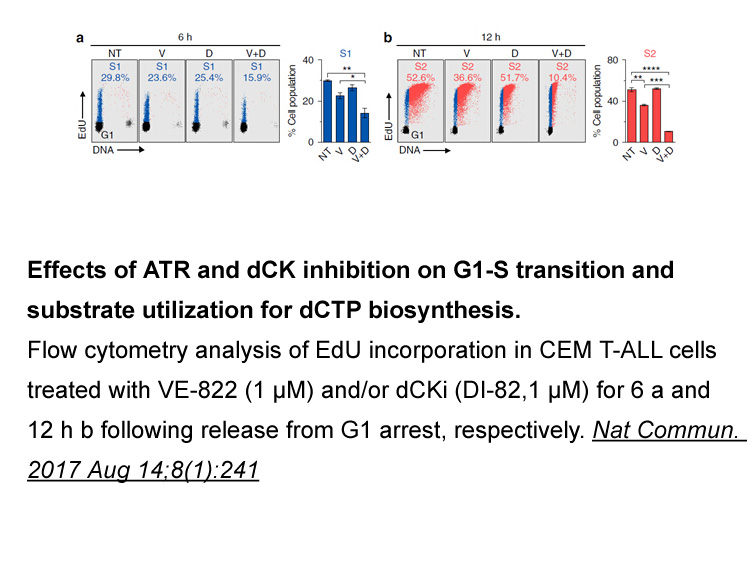
Interestingly, from our consensus SBVC protocol only few compounds (less than 150) have been scored with a full ‘ consensus’. That means that these compounds appear in the top 5% of the database when ranked by every scoring function independently. After visual inspection, we have realized that two a
-
A recent study reports the expression of glutathione depende
2020-01-17
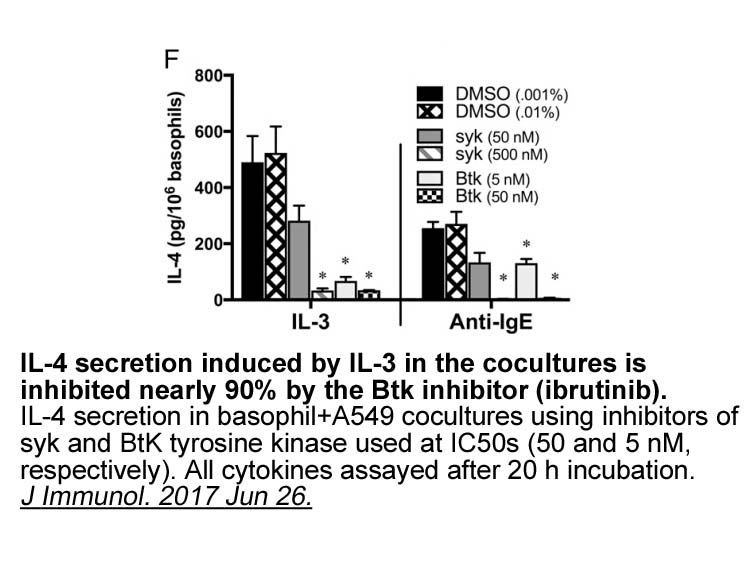
A recent study reports the expression of glutathione-dependent enzymes (GGT, GST-isoforms, gamma-glutamylcysteine synthetase, glutathione disulfide reductase and GSH peroxidase) in human primary PT Zalcitabine in four subsequent passages [33]. In this study, we present phase I and II activities at
-
Through an unknown mechanism RING Ubox type E
2020-01-17
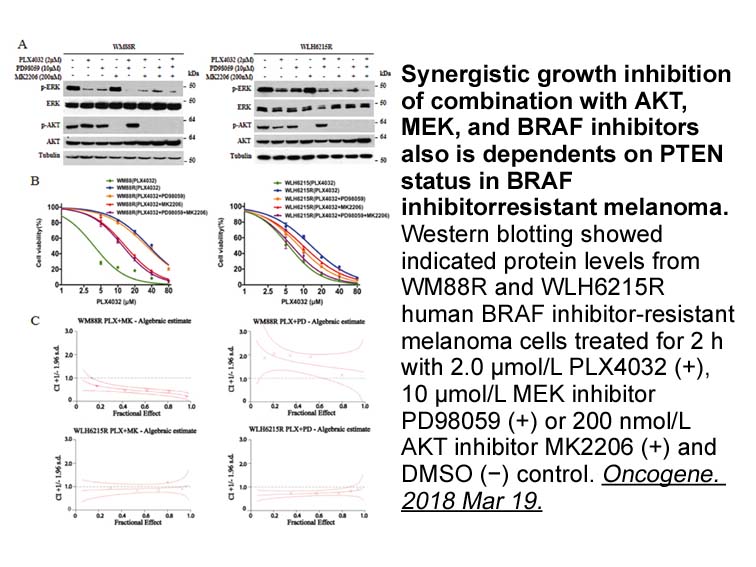
Through an unknown mechanism, RING/Ubox-type E3 dimers and the N-terminal tail have been shown to function as a modulator of full E3 ubiquitin ligase activity [27]. LRSAM1 promotes a significant enhancement in the formation of the high-molecular-weight products or E3 activity when the RING domain is
-
br Acknowledgment This work was supported by the Estonian
2020-01-17
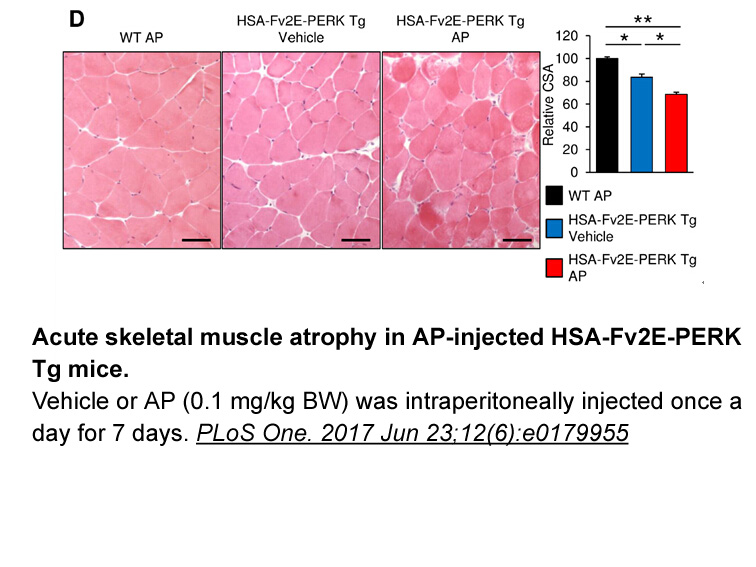
Acknowledgment This work was supported by the Estonian Science Foundation (Grant ETF8862). Introduction In higher eukaryotes ionizing-radiation (IR) induced DNA double-strand breaks (DSB) are primarily repaired by the non-homologous end joining (NHEJ) pathway [1]. Ku, a heterodimeric protein
-
This project was funded by the Deutsche Forschungsgemeinscha
2020-01-17
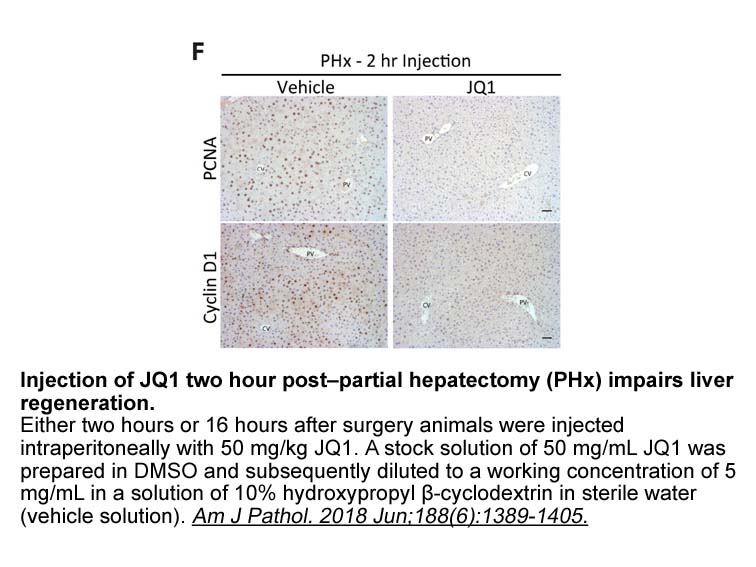
This project was funded by the Deutsche Forschungsgemeinschaft within FOR 2251 (project grants EB 285/2-1 and WI 3272/3-1) and in part by additional contributions from the Bundesministerium für Bildung und Forschung (D.I.S award Nos. BIOSCAT [05K12YE1]) and the Horizon 2020 programme of the European
-
The genomic DNA sequences of CXCL
2020-01-17
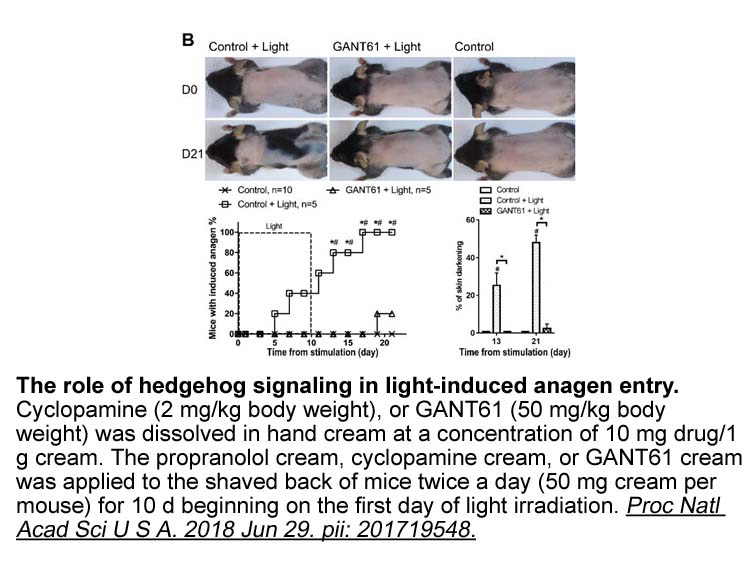
The genomic DNA sequences of CXCL8 and CXCRs were retrieved from the fugu genome database v4.0. The intron–exon boundaries were identified with the corresponding cDNA sequences. This comparison revealed that the fugu gene is about 1.13kb long and contains four exons separated by three introns (top
11388 records 610/760 page Previous Next First page 上5页 606607608609610 下5页 Last page